详情
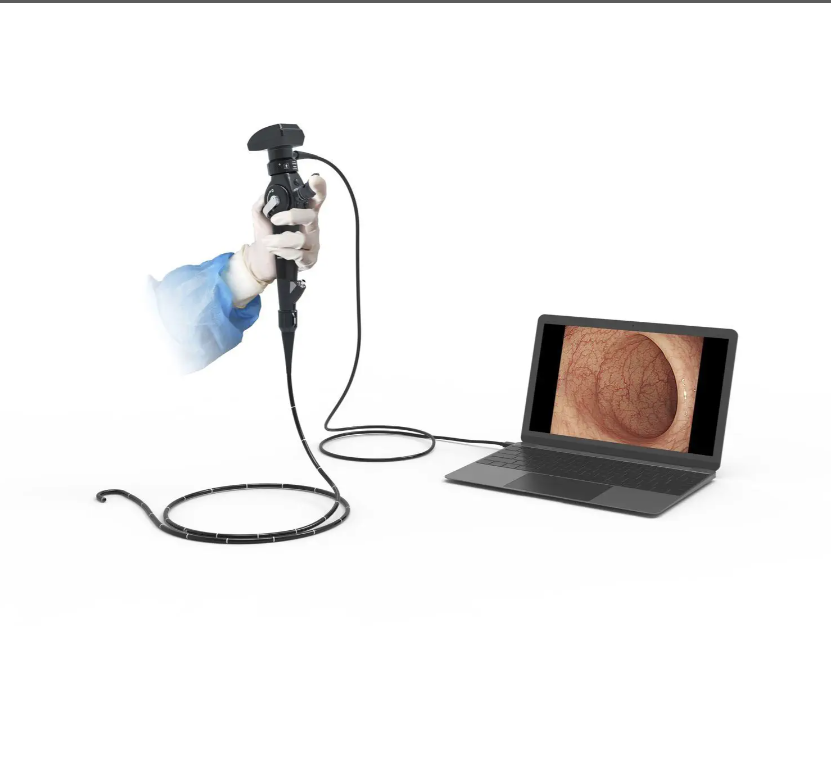
The Bronchoscopy Training System is a medical simulation training device that integrates core technologies such as 3D modeling and artificial intelligence, focusing on bronchoscopy operation skill training. The system constructs a highly realistic airway environment based on clinical real airway anatomical data and case information, allowing users to perform bronchoscopic insertion, turning, and other operations on a bronchial model using an actual bronchoscope. Features: Utilizes a 1:1 simulated adult bronchial tree model, including a complete upper respiratory tract and tracheobronchial structure. The anatomical structures of the model encompass bilateral nasal cavities (including superior, middle, and inferior nasal conchae with corresponding meatuses), the oral cavity and pharynx (tongue, uvula, epiglottis, pyriform fossa, vocal cords, etc.), trachea, left and right main bronchi, lobar bronchi, segmental bronchi, and subsegmental bronchi. The dimensions of key model parts are designed based on clinical imaging data of the Chinese population, ensuring that the internal lumen diameter and branch lengths conform to real human anatomical proportions. Equipped with an operating system that realistically simulates vital signs such as swallowing, breathing, and pulse of virtual patients during trainee operations. Features a comprehensive curriculum system, starting with non-anatomical models and gradually progressing to a series of complex airway pathology models for both adults and children. The system covers multiple cases, including conditions such as retropharyngeal abscess, vocal cord cysts, angioneurotic edema, or penetrating neck injuries. Provides two practice modes: Training Mode and Assessment Mode. (1) In Training Mode, real-time anatomical guidance and visual prompts under the bronchoscope are available, synchronously displaying a 3D external view of the bronchial tree to guide trainees through the complete bronchoscopy process. (2) In Assessment Mode, all anatomical prompts and external position views are hidden. Trainees independently complete specified bronchoscopy examinations or operational tasks without assistance. During assessment, trainees make fully autonomous decisions regarding operation paths, sampling sites, etc., similar to real surgery, with no intervention or prompts from the system. The system comprehensively records trainees' operational data during Assessment Mode for evaluation. This includes objective metrics such as total operation time, endoscope path, endoscope travel distance, sequence of anatomical branches examined, frequency of anatomical branches examined, missed key areas, number and intensity of endoscope collisions, and more. The system features a performance trend analysis function for long-term tracking of trainee progress.